Types of Penetration Testing
Penetration testing isn't one service — it's a family of engagements that differ in what is attacked and from where. This page covers each type, what it finds that the others don't, and how to pick the right one. Each type links to a full guide.
Network Penetration Testing
The classic engagement: a tester attacks your network infrastructure — servers, firewalls, routers, workstations, domain controllers — looking for ways in and ways to move around once inside. It splits into two distinct tests depending on where the tester starts.
Read the full guide →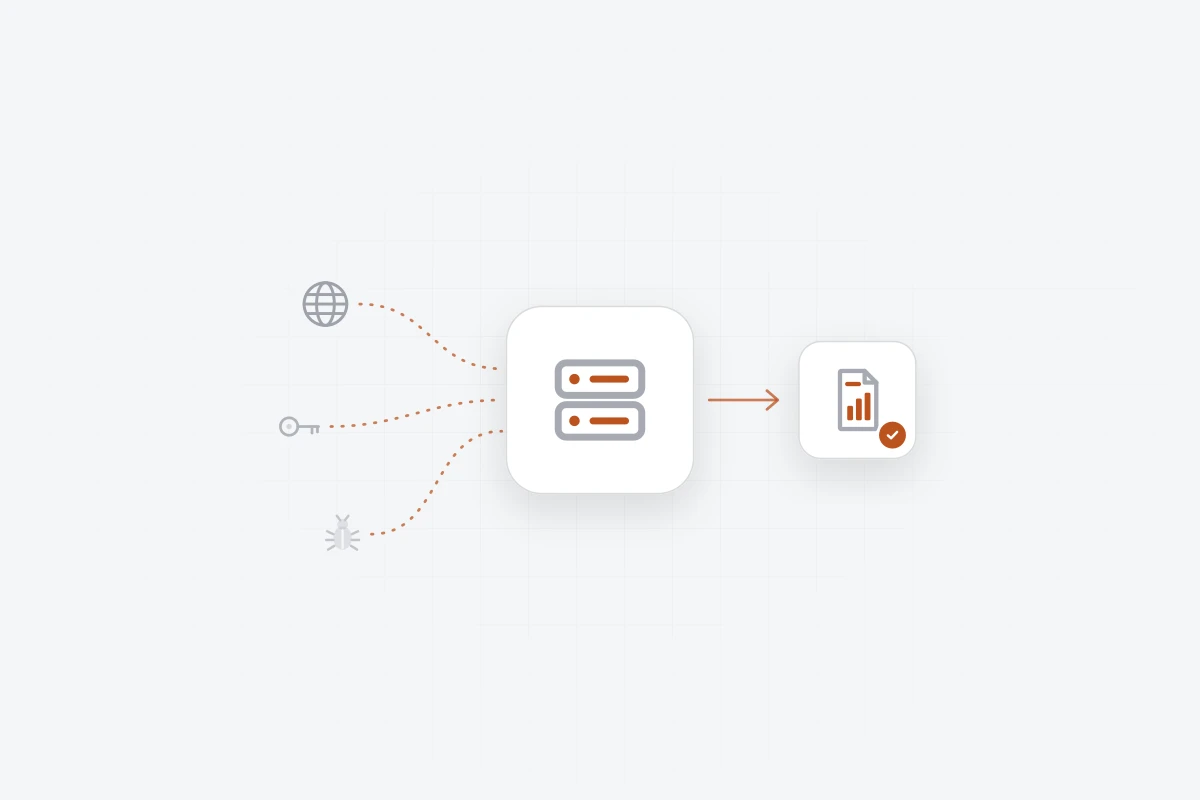
External Penetration Testing
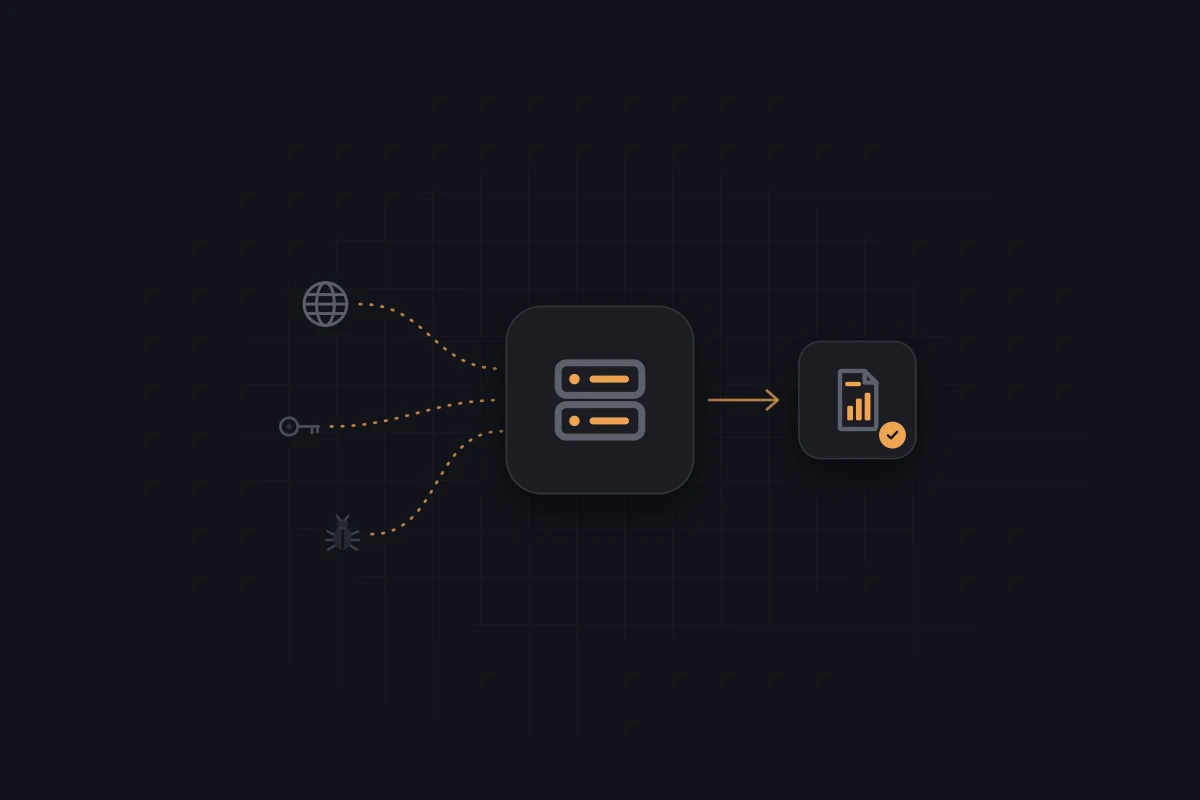
The tester starts on the internet with no access, the way a real attacker does. The scope is everything you expose publicly: IP ranges, VPN portals, mail servers, login pages, forgotten subdomains. The question it answers is whether someone outside can get in.
Read the full guide →
Internal Penetration Testing
The tester starts inside the network — simulating a compromised workstation, a phished employee, or a rogue device. In Windows environments this is largely an Active Directory exercise: the typical result is a path from a standard user account to domain admin.
Read the full guide →
Web Application Penetration Testing
A deep manual test of one application: authentication, session handling, authorization across every role, injection, business logic. This is where the findings scanners never see live — a user reading another customer's invoices, a workflow that skips payment.
Read the full guide →

API Penetration Testing
APIs carry most of the actual data in modern products and fail in their own characteristic ways — object-level authorization above all. An API test attacks the endpoints directly, including the ones the documentation forgot about.
Read the full guide →
Cloud Penetration Testing
Configuration review plus exploitation of your AWS, Azure or GCP environment: IAM privilege escalation paths, public storage, exposed secrets, metadata service access. Most cloud breaches are misconfigurations, and that's what this test finds.
Read the full guide →
Mobile Application Penetration Testing
The iOS or Android app and the backend it talks to: secrets in the binary, local data storage, certificate pinning, and all the API checks driven through the app's own traffic. The backend usually carries more risk than the binary.
Read the full guide →
Black Box vs White Box Testing
Not a scope but an approach, and it applies to every type above: how much knowledge and access the tester starts with. Black box means none, white box means everything — credentials, documentation, sometimes source code — and gray box sits in between.
Read the full guide →Physical and Social Engineering Testing
Two types attack people and buildings rather than systems. Physical penetration testing attempts to get into your premises — tailgating through doors, cloning badges, picking locks, walking into the server room with a ladder and a hi-vis vest. Social engineering testing attacks your staff: phishing campaigns, pretext phone calls, USB drops.
Both need unusually careful rules of engagement, since testers can end up explaining themselves to building security or the police. They're typically bought by organizations with mature technical security — once the network holds, people and doors become the cheapest way in.
How to Choose the Right Type
Start from the question you need answered. "Can someone on the internet get in?" is an external network test. "What happens after one laptop is phished?" is an internal test. "Can a customer read another customer's data?" is a web application or API test. "Is our AWS account one misconfiguration away from the news?" is a cloud test.
If compliance drives the purchase, the framework often decides for you: PCI DSS requires internal and external testing plus segmentation checks, and customer security questionnaires usually name the application. When nothing external forces the choice, test where your crown jewels actually live — for most software companies that's the application and its API, not the office network.
Whatever the type, the mechanics of a good engagement are the same. Ourpenetration testing checklist covers what a thorough test includes per type, and thepentest pricing guide shows what each engagement type costs in practice. And when it's time to buy one: SecureBlock, the team behind PentestPad, deliverspenetration testing services across all of these types.
Penetration Testing Types FAQ
One Platform for Every Engagement Type
PentestPad handles findings, evidence, methodology coverage and reporting the same way whether the engagement is a web app, a network, or a cloud environment.